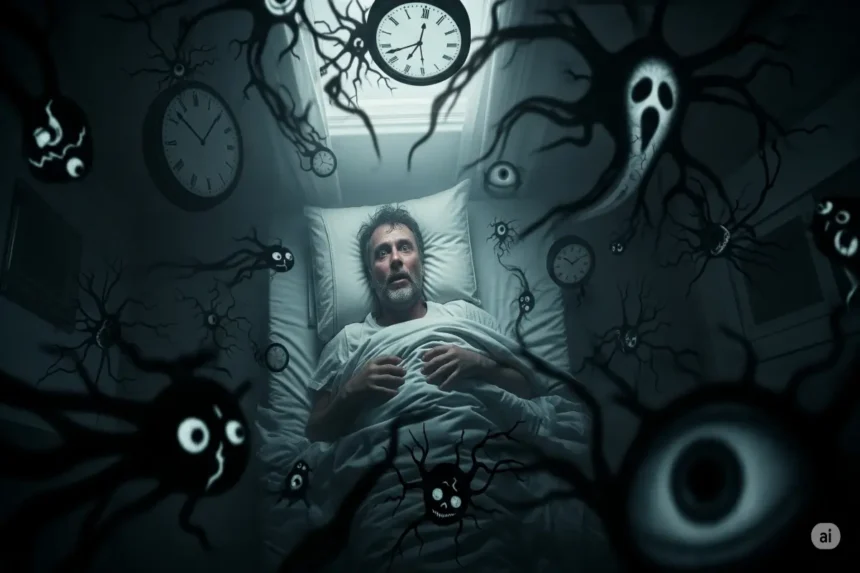
Sleep Deprivation is a phrase we utter almost casually, a badge of honor in a relentless world, or a weary sigh at the end of a demanding week. We push through late nights, early mornings, and the constant hum of digital distractions, often viewing sleep as a luxury rather than a biological necessity. But beneath this cultural nonchalance lies a stark and unsettling question: Can you truly die from lack of sleep? While the answer isn’t as straightforward as a sudden, dramatic collapse, the scientific evidence points to a chilling reality: chronic sleep deprivation is a profound threat, silently eroding our health, sharpening our vulnerability to disease, and, in extreme cases, paving a path to premature death.
Imagine a young doctor, just out of residency, working a grueling 36-hour shift. His mind, once sharp and analytical, now struggles to connect thoughts. His hands, usually steady, tremble slightly as he reviews a patient’s chart. He knows the risks, the statistics on medical errors linked to fatigue, but the demands of the job are relentless. Or consider the long-haul truck driver, battling the hypnotic drone of the highway, fighting off microsleeps that last mere seconds but can be catastrophic. These aren’t just stories of discomfort; they are glimpses into the immediate, perilous consequences of denying our bodies their fundamental need for rest. But the true danger extends far beyond these acute, visible risks, delving into the very cellular and systemic foundations of our being.
The Biological Imperative of Sleep
To understand the dangers of sleep deprivation, we must first appreciate the profound and multifaceted role sleep plays in our lives. It’s not merely a period of inactivity; it’s an intensely active, complex biological process essential for physical restoration, cognitive function, and emotional regulation. Our sleep unfolds in cycles, each lasting roughly 90 minutes, composed of distinct stages:
- Non-Rapid Eye Movement (NREM) Sleep: This comprises three stages. N1 is light sleep, where you might drift in and out of consciousness. N2 is a deeper stage, characterized by a slowing heart rate and a drop in body temperature, preparing the body for profound rest. N3, or slow-wave sleep, is the deepest and most restorative phase, crucial for physical repair, hormone release (like growth hormone), and the consolidation of declarative memories (facts, figures, events).
- Rapid Eye Movement (REM) Sleep: This is the stage associated with vivid dreaming, increased brain activity, and muscle paralysis. REM sleep is vital for emotional processing, problem-solving, and the consolidation of procedural memories (skills and habits). It’s also where the brain integrates new information with existing knowledge, fostering creativity and insight.
When we are deprived of sleep, we shortchange these vital processes. It’s akin to running a complex machine without regular maintenance, eventually leading to breakdown.
The Immediate Toll: Acute Sleep Deprivation
The effects of even a single night of insufficient sleep are immediately palpable. Most adults require 7-9 hours of sleep per night, and falling short consistently begins to accumulate “sleep debt.”
- Cognitive Impairment: One of the most noticeable impacts is on cognitive function. Reaction times slow, attention spans dwindle, and decision-making becomes impaired. Studies have shown that staying awake for 24 hours can lead to cognitive deficits equivalent to having a blood alcohol content of 0.10% – legally drunk in most places. This is why drowsy driving is as dangerous as drunk driving, responsible for thousands of accidents annually.
- Mood Dysregulation: Sleep deprivation profoundly affects our emotional state. Irritability, anxiety, and heightened stress responses become common. The amygdala, the brain’s emotional center, becomes hyperactive, leading to exaggerated reactions to everyday stressors.
- Physical Performance Decline: Coordination, balance, and motor skills deteriorate. Athletes, for instance, experience reduced endurance, strength, and accuracy when sleep-deprived. The body’s ability to recover from physical exertion is also compromised.
These acute effects are warning signs, the body’s immediate protest against a fundamental biological need being ignored.
The Silent Killer: Chronic Sleep Deprivation
While the immediate effects are disruptive, the true danger lies in chronic sleep deprivation, the insidious accumulation of insufficient rest over weeks, months, or even years. This sustained assault on the body’s systems can lead to a cascade of serious, life-threatening health conditions.
Cardiovascular Health: A Heart Under Siege
One of the most concerning long-term consequences is the impact on cardiovascular health. Chronic sleep deprivation is a significant risk factor for:
- Hypertension (High Blood Pressure): Sleep is a period of rest for the cardiovascular system. When sleep is consistently cut short, blood pressure remains elevated for longer periods, increasing the risk of hypertension. A study published in the American College of Cardiology found that individuals sleeping less than six hours per night had a significantly higher risk of developing high blood pressure.
- Heart Disease and Stroke: Elevated blood pressure, coupled with increased inflammation and stress hormones (like cortisol) that accompany sleep deprivation, puts immense strain on the heart and blood vessels. This can accelerate atherosclerosis (hardening of the arteries), increasing the risk of heart attacks and strokes. The European Heart Journal highlighted that short sleep duration is associated with a 48% increased risk of developing or dying from coronary heart disease.
Metabolic Health: The Diabetes and Obesity Link
Sleep plays a crucial role in regulating hormones that control appetite and metabolism. When sleep-deprived:
- Insulin Resistance and Type 2 Diabetes: Sleep loss affects how the body processes glucose. Studies have shown that even a few nights of restricted sleep can lead to insulin resistance, where cells don’t respond effectively to insulin, raising blood sugar levels and increasing the risk of Type 2 Diabetes.
- Obesity: Sleep deprivation disrupts the balance of ghrelin (the hunger-stimulating hormone) and leptin (the satiety hormone). Ghrelin levels rise, and leptin levels fall, leading to increased appetite, cravings for high-calorie foods, and a greater likelihood of weight gain and obesity.
Immune System Compromise: Open to Attack
Our immune system relies heavily on sleep to function optimally. During sleep, the body produces protective cytokines, infection-fighting antibodies, and T-cells. Chronic sleep deprivation suppresses this immune response, making us more susceptible to:
- Infections: From common colds and flu to more severe bacterial and viral infections, a weakened immune system struggles to mount an effective defense.
- Reduced Vaccine Efficacy: Studies have shown that individuals who are sleep-deprived produce fewer antibodies after receiving vaccinations, rendering the vaccines less effective.
- Increased Cancer Risk: While research is ongoing, some studies suggest a link between chronic sleep deprivation and an increased risk of certain cancers, possibly due to impaired immune surveillance and increased inflammation.
Mental Health: A Fragile State
The brain’s ability to regulate mood and process emotions is severely hampered by lack of sleep.
- Depression and Anxiety: There’s a strong bidirectional relationship between sleep deprivation and mental health disorders. Chronic lack of sleep can precipitate or worsen symptoms of depression and anxiety, and vice versa. Sleep is crucial for emotional regulation and resilience.
- Cognitive Decline and Dementia: Long-term sleep deprivation has been linked to an increased risk of cognitive decline and neurodegenerative diseases like Alzheimer‘s. During deep sleep, the brain’s glymphatic system actively clears metabolic waste products, including amyloid-beta proteins, which are implicated in Alzheimer’s disease. Insufficient sleep can impair this crucial “brain wash” process.
Accidents and Errors: A Deadly Domino Effect
Beyond individual health, widespread sleep deprivation has profound societal consequences, particularly in industries where vigilance is paramount.
- Workplace Accidents: Fatigued workers are more prone to errors and accidents, whether in construction, manufacturing, or transportation.
- Medical Errors: As seen with the doctor example, sleep-deprived healthcare professionals are at a higher risk of making critical errors in diagnosis, medication, and procedures, directly impacting patient safety.
- Major Disasters: Some of history’s most devastating accidents, like the Chernobyl nuclear disaster and the Challenger space shuttle explosion, have been attributed, in part, to human error exacerbated by sleep deprivation among key personnel.
The Extreme Edge: Can You Directly Die From Lack of Sleep?
While the indirect health consequences of chronic sleep deprivation are undeniably lethal, the question of whether one can directly die from simply not sleeping is more complex and rare in humans. There are no documented cases of healthy humans dying solely from voluntary sleep deprivation. However, extreme cases and animal studies shed light on the physiological breakdown that occurs.
- Fatal Familial Insomnia (FFI): This is an extremely rare, inherited genetic prion disease that causes progressive insomnia, leading to complete inability to sleep. Patients with FFI experience a rapid decline in physical and mental health, including hallucinations, dementia, and eventually, death, typically within 7 to 36 months of onset. While sleep deprivation is a central symptom, death is ultimately due to the widespread neurodegeneration caused by the prion protein, not solely the absence of sleep. It demonstrates, however, the catastrophic consequences when the brain is unable to perform its restorative functions.
- Animal Studies: Perhaps the most direct evidence comes from animal research. In classic experiments conducted by Allan Rechtschaffen in the 1980s, rats subjected to total sleep deprivation (prevented from sleeping by being placed on a rotating disk over water) died within 2-3 weeks. These rats developed severe hypothermia, weight loss despite increased food intake, and a breakdown of their immune systems, ultimately succumbing to systemic failure. While direct extrapolation to humans is limited due to ethical considerations and species differences, these studies powerfully illustrate the fundamental, life-sustaining role of sleep in mammals.
In humans, before a direct “death by sleep deprivation” occurs, the body’s overwhelming drive for sleep would typically force “microsleeps” – brief, involuntary periods of sleep lasting a few seconds – or even complete collapse into sleep. The indirect pathways, through weakened immunity, cardiovascular disease, and metabolic dysfunction, are the far more common and insidious routes to premature mortality.
Conclusion: The Unsung Hero of Health
The narrative around sleep must shift from one of expendable luxury to indispensable necessity. The science is unequivocal: sleep is not merely a passive state of rest, but an active, vital process that underpins every aspect of our physical and mental health. While dying directly from lack of sleep is an extreme rarity in humans, the indirect consequences of chronic sleep deprivation are a silent epidemic, contributing significantly to the leading causes of morbidity and mortality worldwide.
Our bodies and minds are exquisitely designed, but they require consistent, quality sleep to function, repair, and thrive. Ignoring this fundamental biological need is akin to slowly dismantling our own health, piece by piece. Embracing sleep as a priority—making time for it, optimizing our sleep environment, and addressing sleep disorders—is perhaps one of the most powerful and accessible acts of self-preservation we can undertake. It’s time to stop viewing sleep as a concession and start recognizing it for what it truly is: the unsung hero of our health, and a profound investment in a longer, healthier, and more vibrant life.
Disclaimer: The information provided in this article is for general informational purposes only and does not constitute medical advice. It is not a substitute for professional medical advice, diagnosis, or treatment. Always seek the advice of your physician or other qualified health provider with any questions you may have regarding a medical condition. Never disregard professional medical advice or delay in seeking it because of something you have read on this website.